Table Of Content

(However, more evidence is needed to actually prove this benefit, as determined in a 2017 review and others.) Though not technically a B vitamin, biotin is often grouped into this family of vitamins as a B complex vitamin. In just five minutes, Redken’s mask proves why so many professional hair stylists rave about the brand. At the end of the treatment, you’ll find yourself with fewer split ends and silky strands. It also incorporates biotin, niacinamide, and castor oil—all ingredients that encourage your hair to grow stronger and faster. If you’re already a Cheirosa 62 devotee, you’ll love this Sol de Janeiro hair mask, which possesses the signature sweet scent. Meanwhile, cupuacu, murumuru, and tucuma butters provide a burst of hydration, giving strands the strength to grow longer and healthier.
Collagen
Foods to eat for Scary Thick, Long Hair - Poosh
Foods to eat for Scary Thick, Long Hair.
Posted: Tue, 31 Oct 2023 12:02:41 GMT [source]
One 2022 review found vitamin E to help combat skin lipid peroxides, which has a strong correlation to hair disorders that may result in loss. This conditioner supports that community of microorganisms that live on the top of our heads and fortifies strands, proving itself a reliable ally on your mission to achieve your hair goals. Moisture is the name of the game with the Dae Monsoon Moisture Mask, featuring a band of oils and desert botanicals that strengthen and hydrate each hair as soon as you apply it. Fittingly, the product’s fragrance is inspired by the scent of a rain-touched desert. This mask from Colleen Rothschild is suitable for all hair types, including color-treated hair. Although it contains rich oils and butters to nourish your hair, smooth frizz, and reduce split ends, the formula does its job without leaving behind a heavy, greasy residue.
14 Expert Tips to Make Your Hair Grow Faster in 2024 - Cosmopolitan
14 Expert Tips to Make Your Hair Grow Faster in 2024.
Posted: Wed, 13 Dec 2023 08:00:00 GMT [source]
Nutrition Videos
Madeleine, Prevention’s assistant editor, has a history with health writing from her experience as an editorial assistant at WebMD, and from her personal research at university. She graduated from the University of Michigan with a degree in biopsychology, cognition, and neuroscience—and she helps strategize for success across Prevention’s social media platforms. Good Housekeeping participates in various affiliate marketing programs, which means we may get paid commissions on editorially chosen products purchased through our links to retailer sites. Adults should aim for about 400 micrograms of folate (one cup of chickpeas contains 72 micrograms of folate).
Best for Brittle Strands
Strawberries, blueberries, raspberries, and blackberries are all loaded with antioxidants, like vitamin C, that protect cells from damage. They can also boost collagen production, promoting healthy skin, joints, and hair. Just one cup of strawberries contains 97.6 mg of vitamin C, up to 113% of the daily requirement.
What is the effect of nutritional deficiency on hair?
Nuts are a great source of some of the essential nutrients for hair growth — and almonds are no exception. Adding a sprinkle to your salads or eating a handful for a snack offers biotin and plenty of plant-based protein. Iron helps to transport oxygen to the cells in our body which may promote hair growth, says Gans.
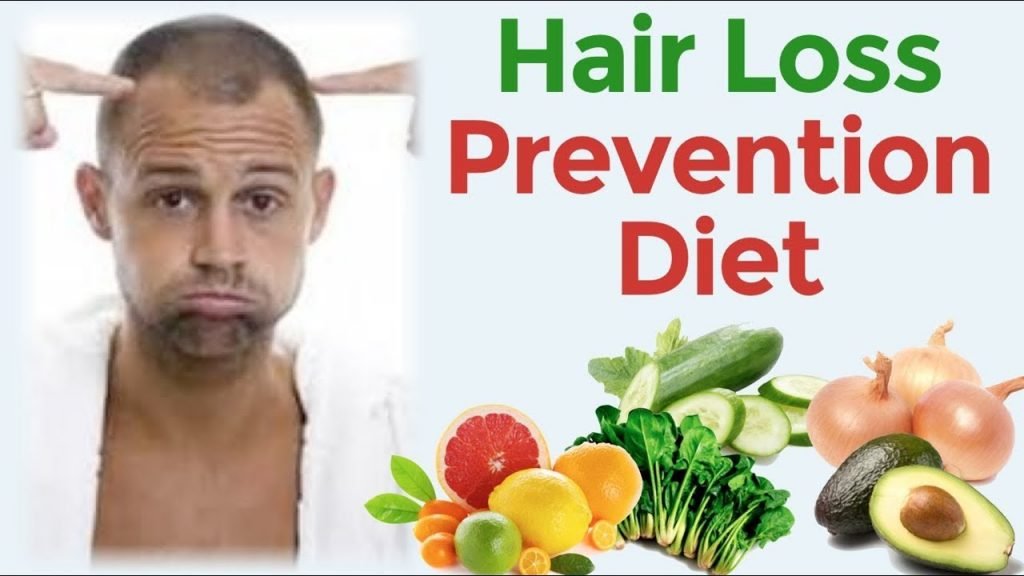
Nutrients such as protein, zinc, selenium, B vitamins, and vitamin E are essential for the regulation of the hair growth cycles and keep hair looking healthy and strong. Look for foods rich in "fat-soluble vitamins, B-complex vitamins, omega-3 fatty acids, and iron to support hair health," says Valerie Agyeman, RD, dietitian and host of women's health podcast Flourish Heights. Incorporating these nutrients into your diet can improve hair loss symptoms in certain cases, per a review of studies published in the journal Dermatology and Therapy. Deficiencies in protein, minerals, fatty acids, and vitamins can lead to hair loss, found a study published in Dermatology Practical & Conceptual and a review in Dermatologic Clinics. While the occasional indulgence in these foods is unlikely to cause significant hair loss, consistently consuming them in excess may contribute to hair thinning and loss over time. To maintain healthy hair, focus on a balanced diet rich in fruits, vegetables, lean proteins, healthy fats, and whole grains, and limit your intake of processed and unhealthy foods.
BONUS! Sign up now and get a FREE copy of theBest Diets for Cognitive Fitness
Supplements may be useful for some people, and it is important to discuss any supplements with your healthcare provider before starting. Keep in mind that supplements are supplemental to the foods you are already consuming, she notes. Speaking of avocado toast, swapping out white refined carbohydrates for 100% whole grains can help you amp up the zinc, iron, and B vitamins in your diet to support healthy hair among many other benefits. Buckwheat, a whole grain, is a nutritious gluten-free seed that is filled with key antioxidants and fiber, which can help you fill up faster.
Impact of Food on Hair Loss and Regrowth
Valerie is a trusted expert and regularly appears on networks including ABC’s Good Morning Washington, and she is a contributing expert to publications like Women’s Health, The Thirty and Shape. Samantha (she/her) is an Assistant Editor in the Good Housekeeping Test Kitchen, where she writes about tasty recipes, must-try food products and top-tested secrets for home cooking success. She has taste-tasted hundreds of products and recipes since joining GH in 2020 (tough job!).
Soy contains compounds called phytoestrogens, which may disrupt hormonal balance and potentially contribute to hair loss, especially in individuals with hormonal sensitivities. A handful of pumpkin seeds would satisfy my Daily Dozen recommendation for nuts and seeds. A 4-ounce portion will score you 23 grams of protein, nearly 3 mg of iron, and roughly 6 grams of unsaturated fats. If you’re concerned about hair loss or have trouble getting your hair to grow, speak with a doctor to find out why this may be happening.
Avoid pulling your hair tightly with elastics, clips, hairbands, or any other accessories that could put stress on your roots. Zinc is an excellent nutrient for hair growth since it can stimulate follicle recovery, support protein synthesis, and improve nutrient absorption, says Carielle Nikkel, MS, RDN, director of nutrition at Persona Nutrition. Though fish and meat are the main dietary sources of zinc, sunflower seeds are a great vegan and vegetarian option. Both Gomer and Yawitz say vitamin E is an antioxidant that helps prevent oxidative stress that may lead to hair loss, since it can help protect the hair follicles from damage. Add sunflower seeds to your favorite salad or drizzle sunflower butter on toast for a sizable serving of protein and iron. Flax seeds are a great source of omega-3s, and you can add them to almost everything.
Authors of a scientific review note that selenium is involved in creating hair. They report that newly forming hair takes up selenium after receiving trace elements from the blood. Valerie Agyeman (she/her) is a women's health dietitian and the host of the Flourish Heights podcast, where she produces science-driven content covering overlooked nutrition, wellness and women’s health topics. She has over 10 years of nutrition communications, corporate wellness and clinical nutrition experience.
Excessive consumption of sugary foods and beverages can lead to insulin resistance and hormonal imbalances, which may contribute to hair thinning and loss. Eggs are not just a great source of protein, but contain lots of biotin and L-cysteine. “L-cysteine contributes to the formation of disulfide bonds within the hair’s protein structure, which helps to maintain the hair’s strength and integrity,” Dr. Penzi says. Whether you whip up healthier fries, turn them into a dessert, or toss them in a salad, sweet potatoes served any style are hair-healthy, thanks to their abundance of vitamins A and B6. Black beans, chickpeas, lentils, peas, and other pulses will help you switch things up and still pack tons of hair-healthy protein, iron, and fiber.

"Biotin strengthens the structure of keratin, which makes up the hair, skin, and nails," notes St. Surin-Lord. "It makes hair stronger, more resistant to breakage, and thicker in appearance." Legumes are a great source of protein—especially if you're vegetarian or vegan. This vitamin is important for hair growth and affects the production of sebum, which helps keep hair healthy.
Processed foods often contain unhealthy fats, refined sugars, and artificial additives that can disrupt hormonal balance and contribute to inflammation, both of which are linked to hair loss. A 2020 review of 24 studies found that anti-inflammatory diets, such as the Mediterranean diet, can improve hair health and prevent hair loss. There’s also been a randomized, double-blind, placebo-controlled trial of pumpkin seed oil. Urinary flow continued to kink off and decline in the control group, but those taking the equivalent of just like eating two single pumpkin seeds a day saw a significant improvement. That would seem to be an anti-androgen effect, so maybe it would help with hair loss. Like so many dark green leafy vegetables, spinach is full of amazing nutrients.



No comments:
Post a Comment