Table Of Content

Like citrus, papaya is filled with hair-perfecting vitamin C, which protects collagen. St. Surin-Lord also calls out the fact that papaya is high in fiber and carotenoids, which aid in scalp health. If you lack any of these nutrients, try adding some of the above foods to your diet. However, biotin deficiencies are uncommon if you consume a balanced diet. There is little evidence suggesting that people with limited or no health issues benefit from consuming more biotin (1).
Beans for protein, zinc, and more
Pumpkin seeds are a great source of the mineral, and according to St. Surin-Lord, are one of the best plant sources of omega-3 fatty acids, the anti-inflammatory type. We cut harmful chemicals out of our hair care products, get regular trims, and regularly stimulate our scalp, yet sometimes it feels like our strands have been stuck at the same length for years. According to board-certified dermatologist Sharleen St. Surin-Lord, our bodies require a diet high in plant-based foods, fiber, antioxidants, and protein for optimal hair growth. This means that eating foods high in antioxidants (substances that fight oxidation) is key when considering hair health and growth. Bioactive plant compounds, mostly found in plant foods are some of the best sources of antioxidants available to us.
Yogurt
"A cup of Brussels sprouts meets your daily vitamin C requirements, says Cassetty. "Vitamin C helps to form collagen as well as helps with plant-based iron absorption. Aside from those who are allergic, who doesn't love to snack on crunchy, salty peanuts, cashews, almonds and walnuts? These are all great sources of protein, healthy fats, biotin and zinc which support healthy tissue development on the scalp and can help stimulate hair growth and prevent hair loss. Nut butters are also a tasty nutrient-dense option as they can give you those hair-growth-supporting nutrients.
L-lysine sources
Be Bodywise 3 Percent Rosemary Hair Serum promises to promote thicker and fuller hair. Enriched with the goodness of rosemary, aminexil, anagain and redensyl, this hair serum may help prevent hair fall, promote hair growth, strengthen your strands and activate hair stem cells. The brand claims that their product can promote 5 times faster hair growth. It may also help rejuvenate the scalp, nourish it from within and improve overall scalp health. But there has been a randomized double-blind, placebo-controlled study of compounds in hot peppers and soy, showing significantly higher promotion of hair growth.
Best hair growth supplements for thickness 2024 - Good Housekeeping uk
Best hair growth supplements for thickness 2024.
Posted: Tue, 20 Feb 2024 08:00:00 GMT [source]
Flaxseeds, chia seeds, sunflower seeds, and pumpkin seeds all contain nutrients necessary for hair health, such as vitamin E, zinc, and selenium. Flaxseeds and chia seeds also provide hair-loving omega-3 fatty acids. In one study on mice, the topical application of pumpkin seed oil was shown to promote hair growth, though studies in humans are needed. Several nutrients have been linked to healthy hair growth, including protein, riboflavin, biotin, vitamin C, vitamin A, omega-3 fatty acids and iron. And you can increase all of these by eating some of the best foods for hair growth. Though there are many factors that impact hair growth, following a diet rich in foods that provide nutrients required for hair follicle health is critical for maintaining healthy hair and supporting hair growth.
Our bodies can't produce omega-3 fatty acids on their own, so it's important to get these fats through our diet. Avocados are a great source, and they're also rich in vitamins E and B(s). Rather, eating a balanced, nutritious diet that provides the necessary macro and micronutrients can help hair growth. This includes protein sources like fatty fish and red meat and plant foods high in vitamins and other nutrients like spinach, seeds, and nuts.
What is a hair growth serum
Greek yogurt is much higher in protein than regular yogurt, with a six-ounce container providing 17 grams of protein, while the same serving of regular yogurt contains just six grams. Low protein intake can cause hair loss and thinning of the hair, so it’s important to consume protein-rich foods with every meal and snack. Oysters are an excellent source of zinc, with just two oysters covering 100% of your daily needs for this nutrient. Oysters also provide other nutrients important for hair health, including protein, B12, and selenium. Organ meats, such as beef liver, provide iron, zinc, and selenium, which are minerals that are involved in hair growth cycle regulation. Protein is essential for the hair growth cycle and low protein intake can negatively impact hair growth, structure, and hair pigmentation.
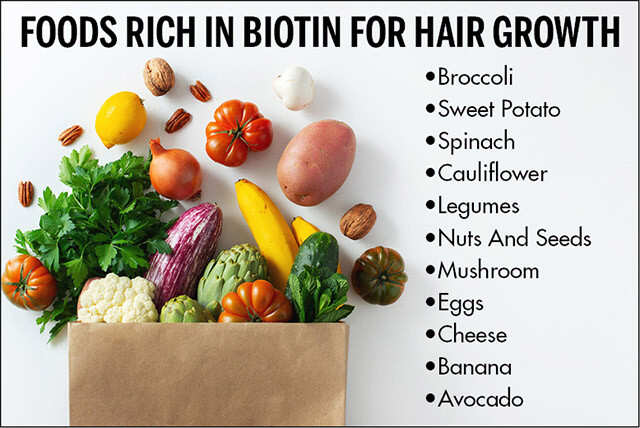
Just half a cup of raw, chopped broccoli contains 0.4 micrograms, or 1 percent of the daily value for biotin. Genetics, age, stress, and diet are a few factors that determine hair growth. While it's difficult (or downright impossible) to change many of the culprits on that list, you can definitely switch up what you eat—choosing the best foods for hair growth—for potentially longer, thicker hair. The protein in meat aids growth and helps repair and strengthen hair follicles. A 3.5-ounce (100-gram) serving of cooked sirloin steak provides as much as 29 grams of protein (34).
Dr. Henry and Poon point to berries as a great source of Vitamin C too. “Açai berries and blueberries are high in antioxidants, which may help protect your hair from oxidative stress, keeping it looking young and radiant,” says Poon. It could also be linked to “telogen effluvium,” the name for hair loss caused by a major life stressor, such as giving birth, a death in the family, a new job, or moving. These triggers will likely require a more multifaceted treatment approach. If altering your diet doesn’t do the trick, speak to your doctor, suggests Salvatore J. Di Grandi, M.D., a dermatologist at CareMount Medical in Pawling, NY.
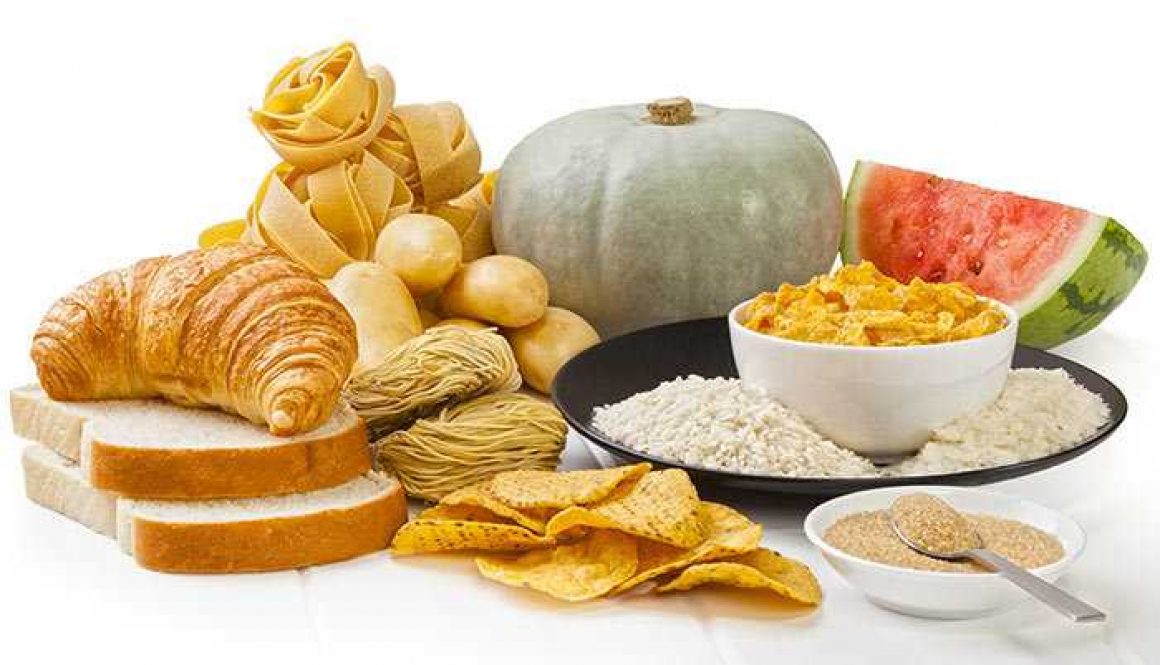
People who have gout or other conditions that require them to limit protein intake should avoid collagen supplements. Topical products containing collagen, such as skin creams and serums, are available, but research backing their efficacy is lacking. Collagen is found in deeper layers, but collagen fibers are too large to permeate the outer skin layers, and peptides (shorter chains of collagen) are unsuccessful. Some types of fish, such as swordfish, king mackerel, and shark, contain high levels of mercury, which can be toxic and may contribute to hair loss when consumed in excess. Foods with a high glycemic index, such as white bread, white rice, and sugary cereals, can spike blood sugar levels and potentially contribute to hair loss by promoting inflammation and hormonal fluctuations.
Meaning, this one fish ticks off three essential nutrients for hair growth. That said, there are six major nutrients found in the best foods for healthy hair that are most responsible for promoting hair growth, according to Cassetty. "Healthy hair depends on certain nutrients, such as protein, biotin, vitamin A, and vitamin C," she says. Iron and omega-3 fatty acids are two other major players in the hair growth game, she adds. Here's why each nutrient is so important for staving off hair loss and promoting hair growth.
Packed with the goodness of rosemary and biotin, this serum for hair growth may help create a healthy scalp environment, reduce scalp irritation, dandruff, inflammation and hair fall. The brand also claims that this product is free from paraben, sulphate and is vegan, which makes it safe to use. You may be surprised to see yogurt on our list of hair-growth foods, but it's a great one to add to your diet for this purpose. But Greek yogurt has it in spades, packing 20 grams into a typical 7-ounce serving. It also includes a healthy dose of zinc, a mineral that's been linked with hair growth, and riboflavin, another key vitamin for cell growth.



No comments:
Post a Comment