Table Of Content

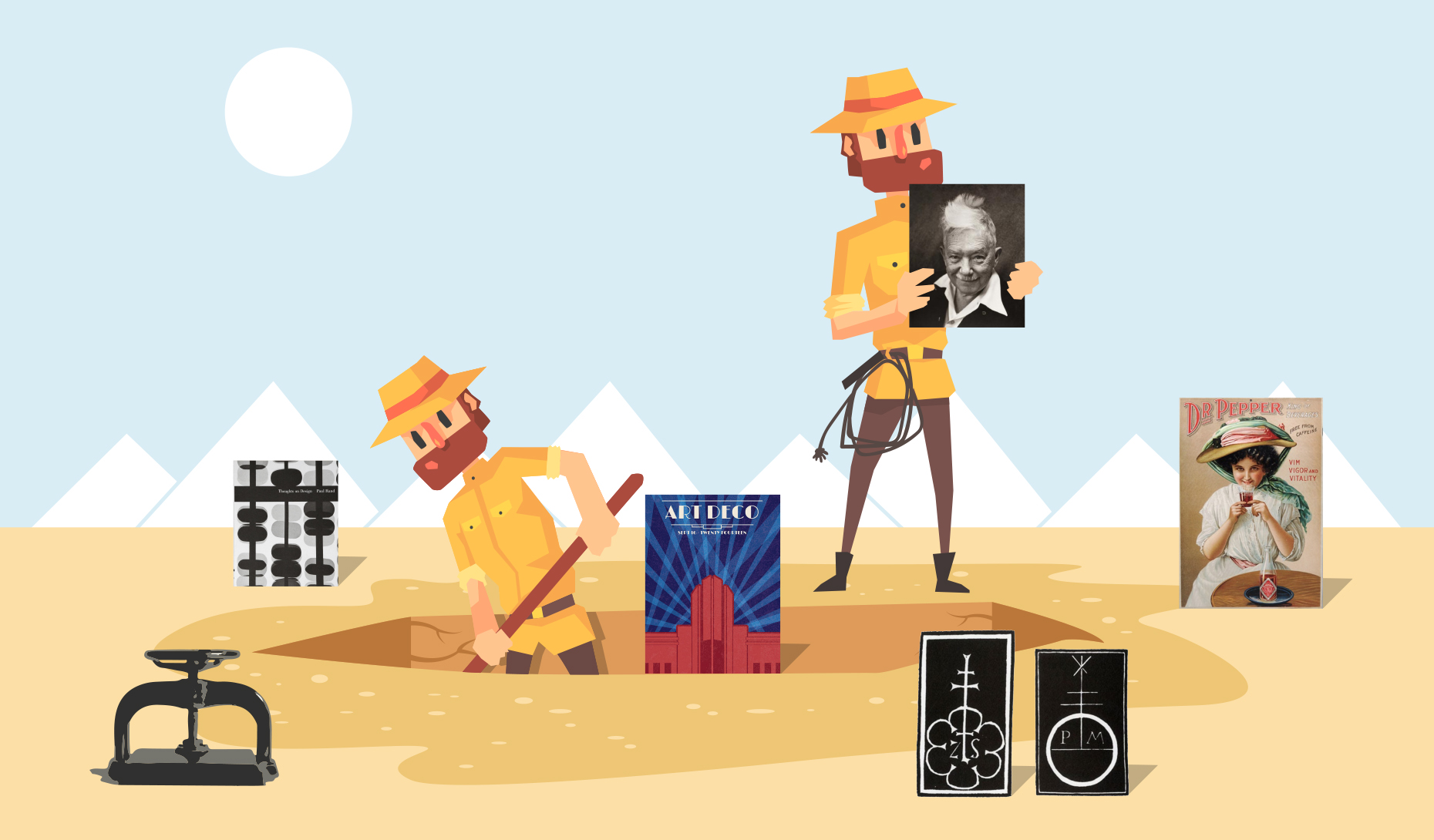
In order to make text more compatible with these fine-line engravings, designers increasingly made casting types and ornaments with finer details. English engraver Robert Clee’s engraved trading card demonstrates the curvilinear decoration and fine detail achieved in both text and image by designers during the Rococo. When the internet came into prominence around the turn of the century, designers took a page out of MTV’s book and adopted youthful and at times edgy designs to draw the younger generation into the world wide web. This can be seen in online trends like flat design, which incorporates bright colors and cartoonish figures.
The queer history of art
BIPOC, women, and LGBTQ+ people have always been a part of and made notable strides in the art and design communities, yet their history has tended to not be as publicly recognized. Current designer Bobby C Martin Jr. says, “Graphic design is about communication. We need design writers to seek out more inclusive stories—and to help rewrite history.” It is not a question of where past and future graphic designers are, but a question of why we don’t see them. Many designers sought other ways to use geometry to evoke a modern spirit for the machine age.
The Bauhaus Movement and Minimalism (1919-
The 18th-century Rococo movement, characterized by complex curvilinear decoration, found its graphic-design expression in the work of the French typefounder Pierre-Simon Fournier. After studying art and apprenticing at the Le Bé type foundry, Fournier opened his own type design and foundry operation. He pioneered standardized measurement through his table of proportions based on the French pouce, a now-obsolete unit of measure slightly longer than an inch. Fournier designed a wide range of decorative ornaments and florid fonts, enabling French printers to create books with a decorative design complexity that paralleled the architecture and interiors of the period.
t Century: Design in the Digital Landscape – Present
Meanwhile, digital software became more and more polished, cheaper, and more accessible than ever before – like the easy-to-use one we have at Vectornator. Johannes Gutenberg’s printing press enabled people to create designs from text, art, and minimalist design on a massive scale. From this, companies started to learn how to grow in terms of their visual design identity and how to sell with the use of it. The graphic design principles developed at the Bauhaus had an incredibly lasting impact.
Ideas from the History of Graphic Design
Tis The Season For GD History – PRINT Magazine - PRINT Magazine
Tis The Season For GD History – PRINT Magazine.
Posted: Tue, 09 Apr 2019 07:00:00 GMT [source]
This specialization focuses on the graphics we see on social media, websites and advertisements, both online and offline. While graphic designers by trade have often been trained on these principles, having a basic understanding can help anyone with little to no design skills create an eye-catching visual design. Today, Graphic Design permeates every facet of modern life, from the user interfaces of our smartphones to the logos that define global brands.
Poster design in Japan
This design movement emphasized simplicity, clarity, and objectivity, with a focus on grid-based layouts and sans-serif typography. The Swiss Style had a profound impact on graphic design, influencing designers around the world and shaping the modernist aesthetic. These designers have not only created iconic works but have also introduced new techniques, philosophies, and styles into the field of graphic design. Their contributions serve as a testament to the power of design to influence culture, business, and even social change. By the 15th century, woodblock broadsides and books printed on paper were being made in Europe.
Want design tips & business trends (and the occasional promotion) in your inbox?
Herb Lubalin, the letter as an image - Graphéine
Herb Lubalin, the letter as an image.
Posted: Wed, 20 Jul 2022 07:00:00 GMT [source]
Similarly, early Chinese scripts emerging in the 2nd millennium BCE, such as oracle bone and bronze script, used stylised pictorial markings that evolved into increasingly abstract symbols. These written languages became vital for spreading ideas, preserving histories, and administering their empire across Asia. Software like Adobe Photoshop, Illustrator, CorelDRAW, Figma, and more keeps evolving, offering more powerful features, including AI-generated images, layouts, templates, etc. Strictly Necessary Cookie should be enabled at all times so that we can save your preferences for cookie settings. While modernism was based on idealism and reason, postmodernism was born from skepticism and suspicion of reason. Spanning architecture, furniture, fashion, sculpture, and more, Art Deco encapsulates the decadent spirit of the 1930s.
The Power of Visual Language
Collaboration and adaptation to new technologies will be key for designers, ensuring innovation and creativity in communicating visually. Social media platforms like Instagram and TikTok have become virtual galleries where design trends emerge and go viral quickly. Led by visionaries like Gustav Klimt and Egon Schiele, the Werkstätte championed craftsmanship and aesthetic beauty in everyday objects.
Vintage will dominate logos
By the 9th or 10th century, paged woodblock books replaced scrolls, and literary, historical, and herbal works were published. Paper money and playing cards were also designed, their designs cut into woodblocks and printed. Chinese alchemist Bi Sheng invented a technique for printing with movable type about 1041–48.
As we look to the future, responsive design, AR/VR, AI, and sustainability will continue to drive the evolution of graphic design. The journey of graphic design is far from over, and we can expect exciting developments and innovations in the years to come. Today, graphic design refers mainly to designing visuals for magazines, books, advertisements, and digital posters. This intensive branch of design involves the art form of communicating ideas through visuals and text. Graphic designers still use drawings and paintings in some cases, but much of graphic design today is completed using digital technologies. These modern graphic design skills can be applied to custom logo design, book cover design, magazine layouts, billboard advertisements, clothing design, online banner ads, and much more.
Experiential graphic designers try to solve problems that people encounter while interacting with buildings and space (also called environmental graphic design). Examples of practice areas for environmental graphic designers are wayfinding, placemaking, branded environments, exhibitions and museum displays, public installations and digital environments. As far back as 200 CE, China used wood reliefs to print and stamp designs on silk clothes, and later paper. In 1040, Bi Sheng invented the world’s first movable type printing press out of porcelain, more than 400 years before Gutenburg brought a similar technology to Europe. The Industrial Revolution hit in the 1760s, and ushered in a new age for graphic design. Innovative technologies began popping up at an unprecedented rate; including the method of lithography, which was a printing technique that helped reduce costs.
This can be anything from t-shirt prints and bottles to the actual design of a watering can or coffee mug. Our UI team has worked hard to create an easy-to-use interface for Visme’s design tool so that both new and veteran users are able to get the most out of their experience. You should have a pretty good grasp on the basis of graphic design and where it came from.
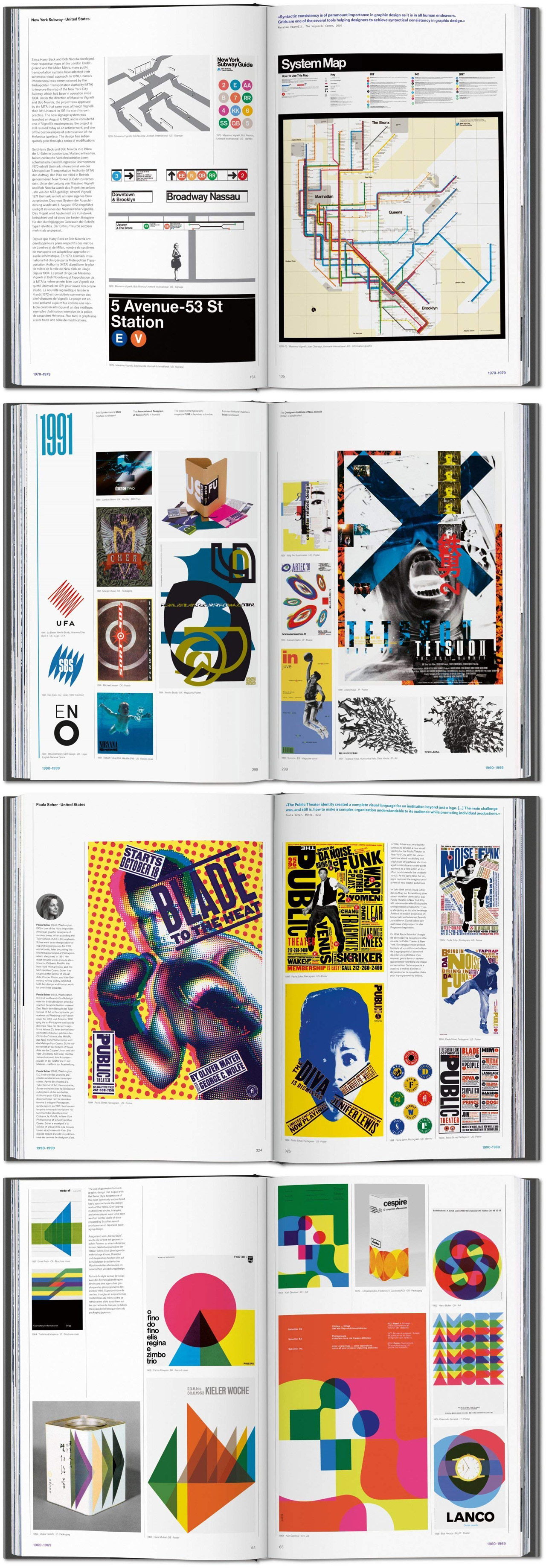
Appreciation for simplicity, mindfulness, and efficiency aligns with the values of younger generations. As technology continues to accelerate and overwhelm, minimalism endures as a guiding principle for creating elegant, intentional designs. Mucha's posters featured highly stylised figures with sinuous, elegant lines set against two-dimensional backgrounds and ornamental borders. The letters of the text were also drawn with florid embellishments that turned them into illustrations in their own right. Mucha's posters didn't just advertise shows and products – they became iconic works of art in their own right that encapsulated the ethos of Art Nouveau. These illuminated manuscripts served religious purposes and allowed visual artistry to amplify storytelling power and convey meaning in new imaginative ways.




No comments:
Post a Comment